On this page · 7 sections
- Agency builds typically cost €10,000–€40,000 upfront plus a monthly retainer.
- Enterprise CPQ typically runs €50,000 a year and up in licences.
- Hidden costs sit in modelling, changes, hosting and per-quote fees.
- Compare total cost over 24 months, not the headline price.
- Next Configurator over 24 months: €11,976 monthly or €9,998 yearly.
A 3D product configurator typically costs €10,000 to €40,000 upfront plus a retainer as an agency build, €50,000 a year and up as enterprise CPQ, or a few hundred euros a month as purpose-built SaaS. The headline price is rarely the full cost: modelling, changes, hosting and per-quote fees often come on top. This guide sets out the three brackets, the four hidden costs, a 24-month comparison and a checklist to tick off before you sign.
The three cost brackets
| Approach | Upfront | Ongoing | Typical fit |
|---|---|---|---|
| Agency build | €10,000–€40,000 | Monthly retainer for hosting + changes | One bespoke product line, custom brand experience |
| Enterprise CPQ | €10,000–€50,000+ implementation | ~€50,000/year and up in licensing | Complex B2B sales with approval chains, ERP-integrated |
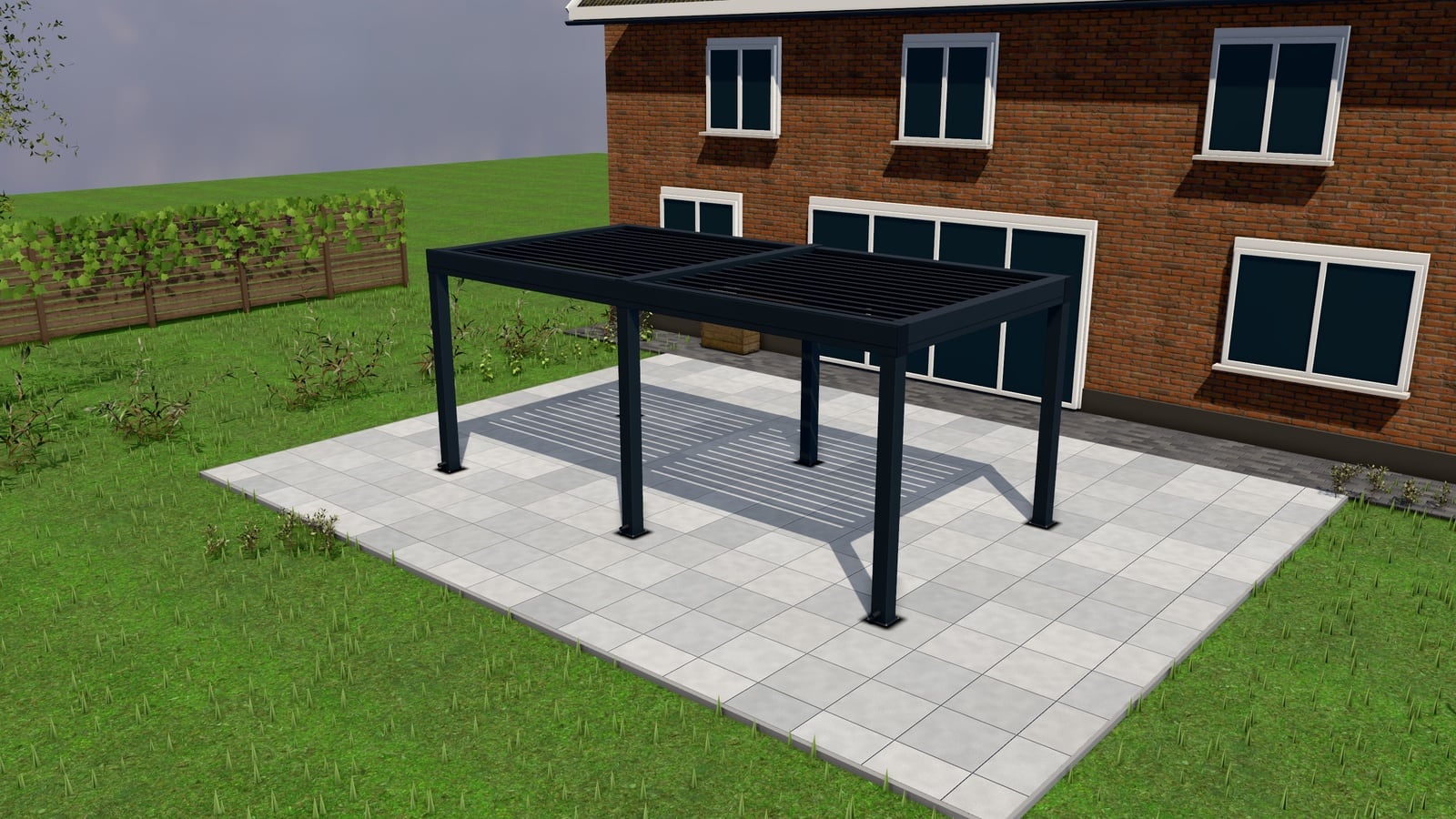
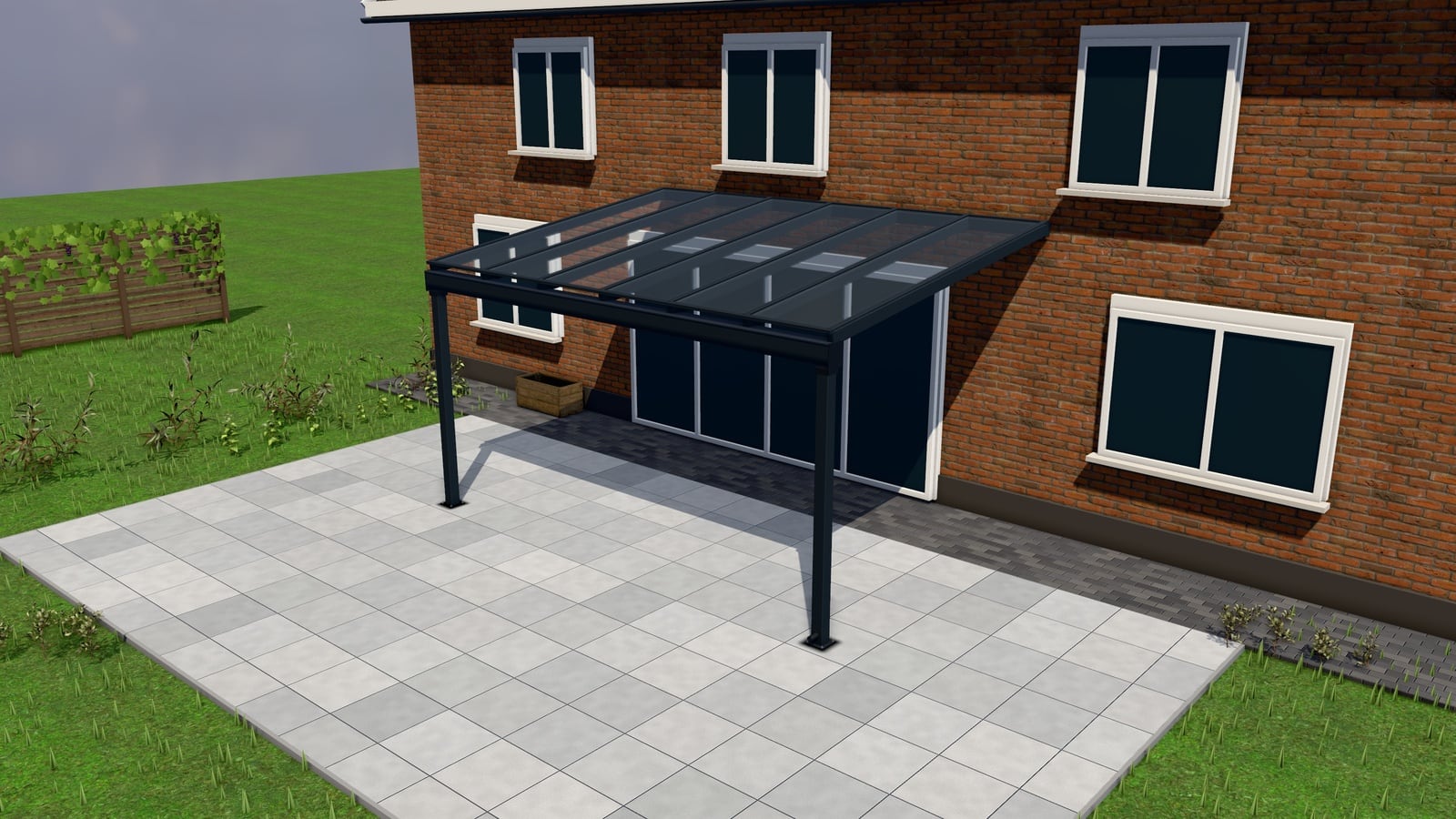
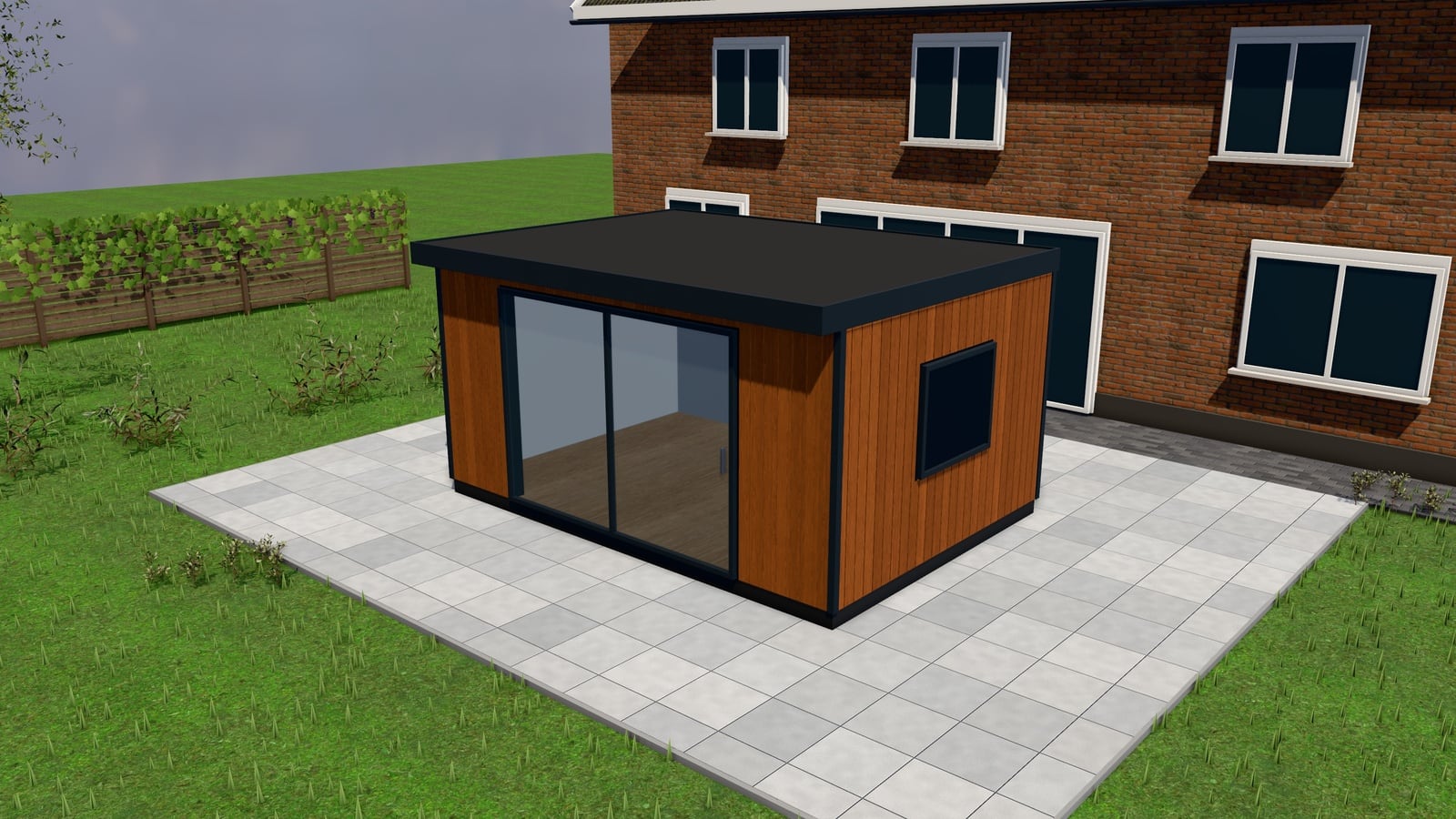
| Purpose-built SaaS | None, or a small setup fee | A few hundred €/month, all-in | Pergolas, verandas, carports, garden rooms and similar outdoor structures sold direct or through dealers |
nextconfiguratorNext Configurator sits in the third bracket. It is one plan: €499 a month or €4,999 a year (excl. VAT), every feature included, 14-day free trial, no setup fee, cancel monthly. See pricing.
These brackets answer “what does it cost to get a configurator live.” The more useful question is what it costs to keep running it for two years, which is where hidden costs show up.
Hidden cost 1: modelling
Every 3D configurator needs a model behind it. The question is who builds it and what happens when your product range changes.
With an agency build, modelling is usually billed per product or per variant. A pergola with a louvred-roof option and a fixed-roof option might be quoted as two separate modelling jobs, because many agency builds aren’t parametric. SaaS configurator vs agency build explains the difference. Adding a new size range later, or a product your supplier just launched, is a new modelling invoice, not a settings change.
A parametric SaaS product ships pre-built models (Next Configurator has 120 across pergolas, verandas, carports, garden rooms, fences and gates, awnings, terrace covers, doors and windows) and lets you set your own size ranges and option names without a modelling job. If your vendor’s model doesn’t cover a feature you sell, ask upfront what adding it costs and how long it takes. That answer is itself a cost signal.
Hidden cost 2: changes
A colour addition, a new option, a wording fix, a price update. These happen constantly in a real sales operation, and how they’re billed matters more over two years than the initial build fee.
Agency builds typically run on a retainer (a block of hours per month) or ad hoc quotes per change request. A small change can mean a multi-day turnaround because it’s queued behind other client work. If your business needs to react to a supplier price change this week, that lag is a real cost even when the invoice is small.
SaaS products fold changes into the subscription: you set prices, options and RAL colours yourself through an admin screen, the same afternoon. There’s no change-request cost because there’s no change request, it’s a settings page.
Hidden cost 3: hosting
Someone has to host the configurator, the 3D assets, and the data it collects (requests, quotes, customer photos). An agency build often quotes hosting separately from the build fee. Ask explicitly what it covers (uptime, backups, bandwidth for 3D assets, which can be heavy) and where it’s located, because EU hosting and a signed data processing agreement matter for GDPR compliance on customer photos and contact details. Our GDPR checklist for configurator hosting lists what to check.
Enterprise CPQ hosting is usually bundled into the licence but tied to the vendor’s infrastructure, which can mean limited control over data residency.
SaaS pricing that’s genuinely “all-in” (Next Configurator’s €499/month includes hosting) removes this line item entirely, but it’s worth confirming with any vendor rather than assuming, since some meter storage or bandwidth separately.
Hidden cost 4: per-quote or per-lead fees
This is the one that changes the economics as you grow. Some platforms, more common in enterprise CPQ and some SaaS tiers, charge per quote generated, per lead captured, or per user seat. At low volume this looks negligible; at the volume a configurator is supposed to produce (more requests because the “ballpark price” question is answered on the site), it can turn a cheap-looking plan into an expensive one.
Ask directly: “If I 10x my quote volume, does my bill change?” A flat-fee model (Next Configurator: unlimited users, products and quotes on the one plan) means the answer is no, which matters because the whole point of a configurator is more, better-qualified requests, not fewer.
Worked comparison over 24 months
A rough, hedged illustration rather than a quote. Agency figures are typical industry ranges, not a specific offer; our figures are our list prices.
| Agency build | Next Configurator | |
|---|---|---|
| Upfront | Typically €10,000–€40,000 (say €25,000) | €0, no setup fee |
| Ongoing | Retainer for changes + hosting, say €500/month | €499/month or €4,999/year, hosting included |
| Changes | Billed per request or from the retainer | Done yourself in the admin, same afternoon |
| New product line | Often a new modelling job | Start from one of 120 ready models |
| 24 months, monthly | Roughly €37,000 before extra modelling | 24 × €499 = €11,976 |
| 24 months, yearly | n/a | 2 × €4,999 = €9,998 |
The agency column runs to roughly €37,000 over two years before counting any one-off modelling jobs for new products. The SaaS column is all-in, with changes and new option names done the same afternoon rather than billed separately. The gap widens further if the agency build needs an unplanned modelling job for a new product line, which is common in a two-year window for most outdoor-structure sellers.
This isn’t an argument that agency builds are never worth it. A business whose configurator is a core differentiator, built once and barely touched, can make the economics work differently. But if your configurator needs to track a changing product range, respond to supplier price moves, and scale with request volume, the ongoing-cost side of the table usually decides it.
What to ask before signing anything
Get the answers in writing, not verbally. Tick these off with every vendor, agency or SaaS:
- What is the upfront fee, and what exactly does it cover?
- What is the monthly or yearly fee, excluding VAT?
- What does a typical change cost: a colour, a size range, a new option?
- How long does that change take, in calendar days?
- Is anything metered by volume: leads, quotes, users, products?
- Are hosting, backups and bandwidth for the 3D assets included?
- Where is customer data hosted, and will you sign a data processing agreement?
- Who builds the 3D model for a new product, and at what price?
- Is the model parametric, or a set of fixed sizes?
- Are quotes, follow-ups and production sheets included or extra modules?
- What is the notice period, and can I cancel monthly?
- Is there a free trial on my own products before I pay?
Compare every answer against the SaaS bracket before assuming the agency quote is cheaper. The headline number usually isn’t the full picture. For the full vendor-evaluation checklist, see the pillar guide: the 3D product configurator buyer’s guide.