On this page · 6 sections
- The first specific quote usually sets the anchor every other quote is compared against.
- Build the quote from the configurator request, not from phone notes.
- Send Basic, Comfort and Premium options to avoid a second quoting round.
- If a visit is needed, send an acknowledgement plus a booked slot within the day.
- Follow a fixed cadence after sending: day 1, 3, 7 and 14.
Send a real, itemised quote within 24 hours of a request for a pergola, veranda or carport: the business that replies first with a specific, credible number usually wins the job, even when it isn’t the cheapest. This guide explains why speed beats price, how to hit the window with a small team, what to send when a measuring visit has to come first, and the follow-up cadence that keeps a quote alive after it goes out.
Why speed beats price
A customer configuring a pergola on your site is, more often than not, doing the same thing on a competitor’s site in another tab. They’re not comparing abstract brands; they’re comparing whoever answers first with a number that matches what they actually asked for. A fast, specific quote does three things a slow one can’t: it sets the anchor price everyone else gets measured against, it signals a company that will show up on schedule (if you’re fast to quote, you’re probably fast to install), and it catches the customer while their interest, and their mental picture of the finished pergola, is still fresh. Wait three days and you’re not quoting a motivated buyer anymore; you’re quoting someone who has already picked a different installer, or lost momentum entirely.
What “real” means here
A real quote is not “thanks for your interest, we’ll call you.” It has the customer’s actual width, roof type, colour and options reflected back to them, a line-item price (or option-based pricing, see below), and a way to accept it without another phone call. A placeholder reply bought you nothing; it just delayed the moment the customer realises you haven’t actually looked at their request.
How to actually hit the window
Let the configurator do the quoting’s first draft
If the customer already built their pergola in 3D and submitted a request, you’re not starting from a blank page. You’re starting from a complete specification: dimensions, roof, colour, every option they toggled on, plus the price the configurator calculated. Turning that into a quote should be close to one click, not a re-keying exercise. This is the single biggest lever on your turnaround time: the fewer fields your quoter has to look up or re-enter, the faster the quote goes out, and the fewer transcription mistakes make it into the final number.
Use templates for the boilerplate
Terms, warranty text, payment schedule, standard installation notes. None of this should be typed fresh per quote. A template with the variable fields (dimensions, price, options) slotted in from the request leaves your quoter writing only what’s actually specific to this job: a note about the site, a recommendation between options, anything unusual about the request.
Offer options instead of re-opening the quote
A common reason quotes take multiple rounds isn’t the first draft. It’s the back-and-forth after: “could you also show me without the heating,” “what if we go narrower.” Sending Basic / Comfort / Premium options up front, each fully priced, answers most of those questions before they’re asked and avoids a second quoting pass. See from Excel to a ten-minute quote for the time breakdown this saves.
Assign ownership the moment a request lands
A request with no clear owner sits in a shared inbox until someone notices it. Routing requests to a specific person (or rotating them by rep) the instant they land, with a visible due-by time, turns “we’ll get to it” into a tracked task with a deadline.
What to send when you can’t quote in 24 hours
Some jobs genuinely can’t be quoted firm without a site visit. An irregular terrace, an existing structure to integrate with, access that needs checking. In that case, the 24-hour rule still applies, just to a different deliverable: within the day, send an acknowledgement that confirms you’ve seen the request and received their configuration, plus a booked measuring-visit slot against your actual calendar. A customer who gets “we’ve received your pergola request and booked a site visit for Thursday at 10am” within a few hours is still winning against a competitor who goes quiet for three days, even though neither has a firm price yet. Booking the slot directly in the request form, rather than a follow-up phone call to find a time, is covered in site photos and measuring visits in the request form.
What happens after the quote goes out?
The 24-hour rule gets the first quote out; a fixed cadence keeps it alive. Write the cadence down once, so nobody has to remember who chased what:
| Day | Channel | Goal |
|---|---|---|
| Day 0 | Email with quote link + PDF | Real quote within 24 hours of the request |
| Day 1 | Phone call | Check it arrived, answer the first questions |
| Day 3 | Email or WhatsApp | Opened, not signed: ask what is holding it up |
| Day 7 | Phone call | Offer a smaller option or a measuring visit |
| Day 14 | Expiry nudge, then close or reschedule |
Two sample messages you can adapt. The Day 0 email:
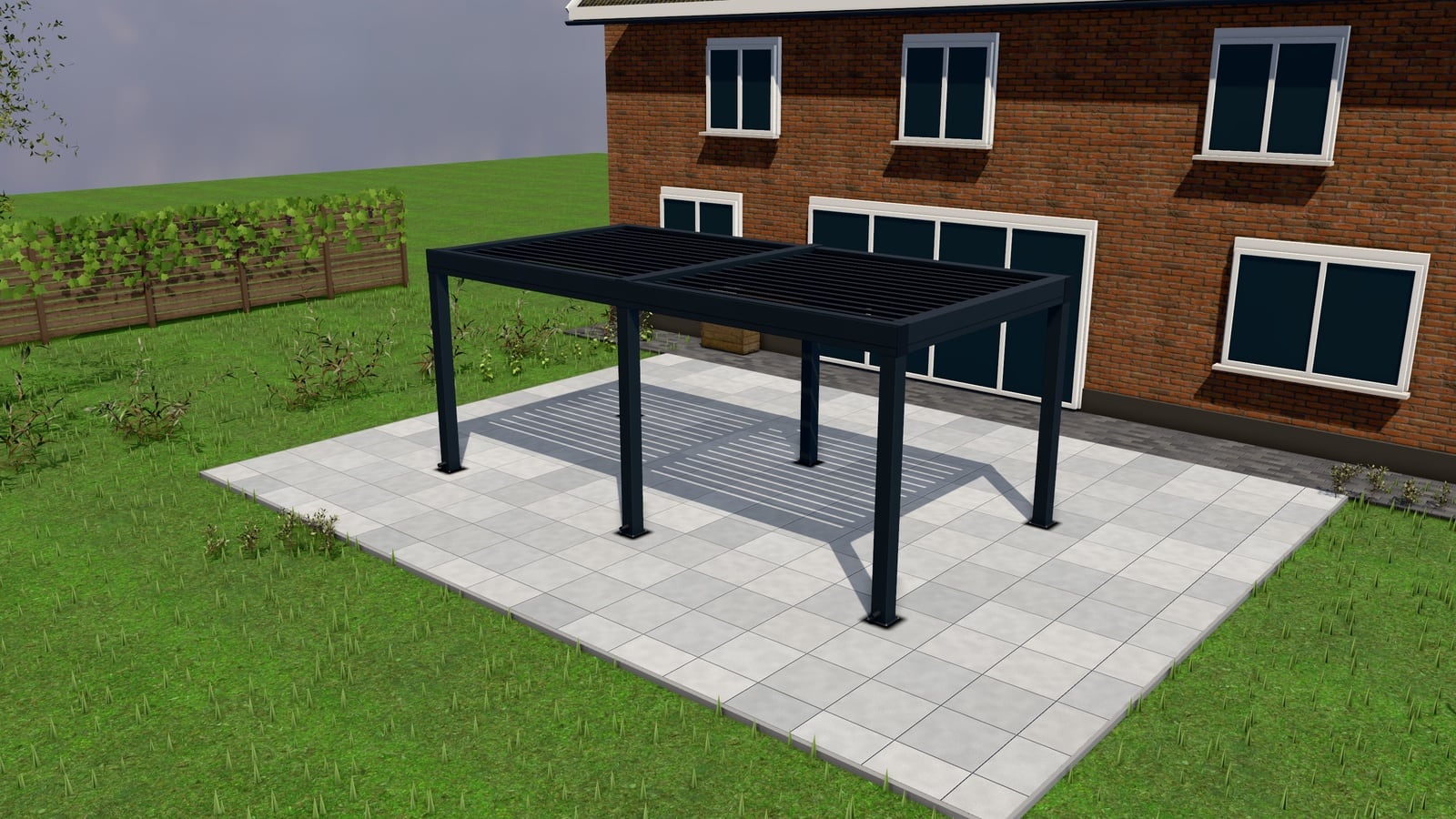
Hi, this is [your company]. Thanks for your request for the 5 × 3 m louvred pergola in anthracite. Your quote is attached and online at the link below, with three options: Basic, Comfort and Premium. Comfort is the one we would pick for your terrace. You can accept it online; we then book the measuring visit.
The Day 3 message, when the quote was opened but not signed:
Hi, this is [your company]. You have had a look at the quote for your 5 × 3 m pergola. Is anything unclear: the screens, the delivery time, the installation? Reply here or call us, and we’ll answer the same day.
Next Configurator runs the reminders for you: automatic follow-ups catch unanswered requests, opened-but-unsigned quotes and quotes about to expire, and the Results dashboard shows your average reply time and win rate, so you can see whether the 24 hours actually holds.
Summary
| Situation | What to send within 24 hours |
|---|---|
| Standard configuration, no visit needed | A full, numbered quote with options and a price |
| Visit required before a firm price | Acknowledgement + a booked measuring-visit slot |
| Request came in outside business hours | An automatic confirmation, then the quote first thing the next business day |
Quotes built on the configurator’s own data, sent through quotes, are the practical way to make this window routine rather than heroic. See how to sell pergolas, verandas and carports online for how this fits the rest of the funnel, or apply for a walkthrough.